

On June 30, 2026, Deployable Energy’s Unity Nuclear Battery achieved a historic milestone: criticality — becoming only the third microreactor to reach this crucial benchmark in the United States.
Developed by an Australian team — led by Veteran ADF Combat Engineer Bobby Gallagher — with ambitious plans for commercial deployment before 2030, this achievement represents the fastest and lowest-cost nuclear reactor development in history.
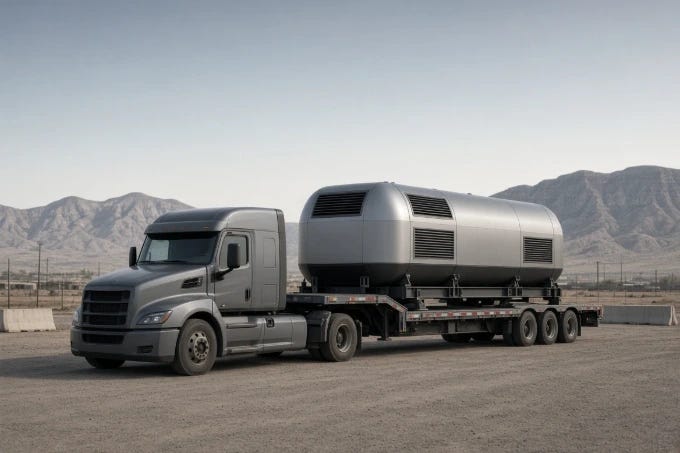
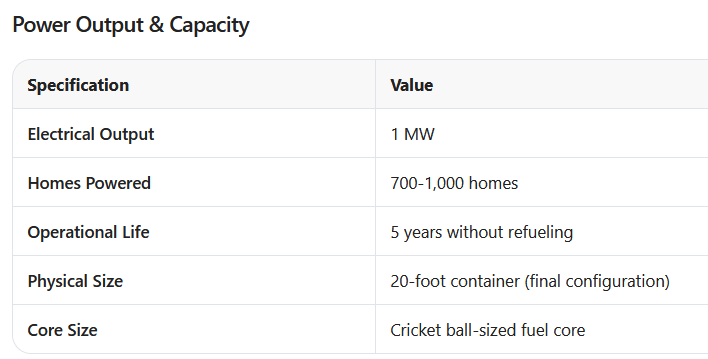
The Unity Nuclear Battery: A 20-foot container-sized microreactor that
can power 700-1,000 homes for 5 years without refueling.
Unprecedented Safety Features
Intrinsic & Passive Safety Systems
The Unity Nuclear Battery represents a paradigm shift in nuclear safety.
Unlike traditional reactors requiring active intervention, the Unity system features inbuilt and passive safety mechanisms that make catastrophic accidents physically impossible.
Key Safety Advantages:
✅ Physics-Based Safety: The reactor design prevents meltdown scenarios through fundamental physical properties, not just engineered systems
✅ Industry Standard: Advanced passive safety features are now standard across all modern advanced reactors — comparable to a car without ABS brakes, being given a roadworthy certification today.
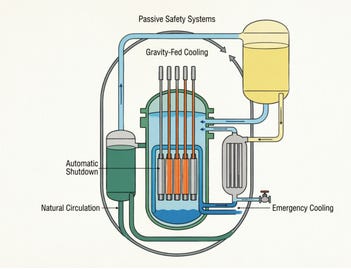
Advanced reactor passive safety systems demonstrate
superior reliability under various operating conditions
Regulatory Approvals & Certifications
Historic US DOE Authorisation
Deployable Energy has achieved groundbreaking regulatory milestones that position the Unity Nuclear Battery at the forefront of America’s nuclear renaissance:
🏆 Key Certifications;
1. DOE Authorization — 2026
First privately-owned company authorised by the U.S. Department of Energy [DOE] to build a maritime nuclear reactor system.
First such authorization since the NS Savannah in 1958 — nearly 70 years ago.
Marks a fundamental shift from government-owned to private-sector nuclear deployment.
2. Criticality Achievement - 30 JUNE, 2026
Third microreactor to achieve criticality in the United States.
Delivered in record time: Contract signed January 26, 2026 → Criticality achieved 30 June, 2026
Completed ahead of July 4th deadline despite supply chain challenges.
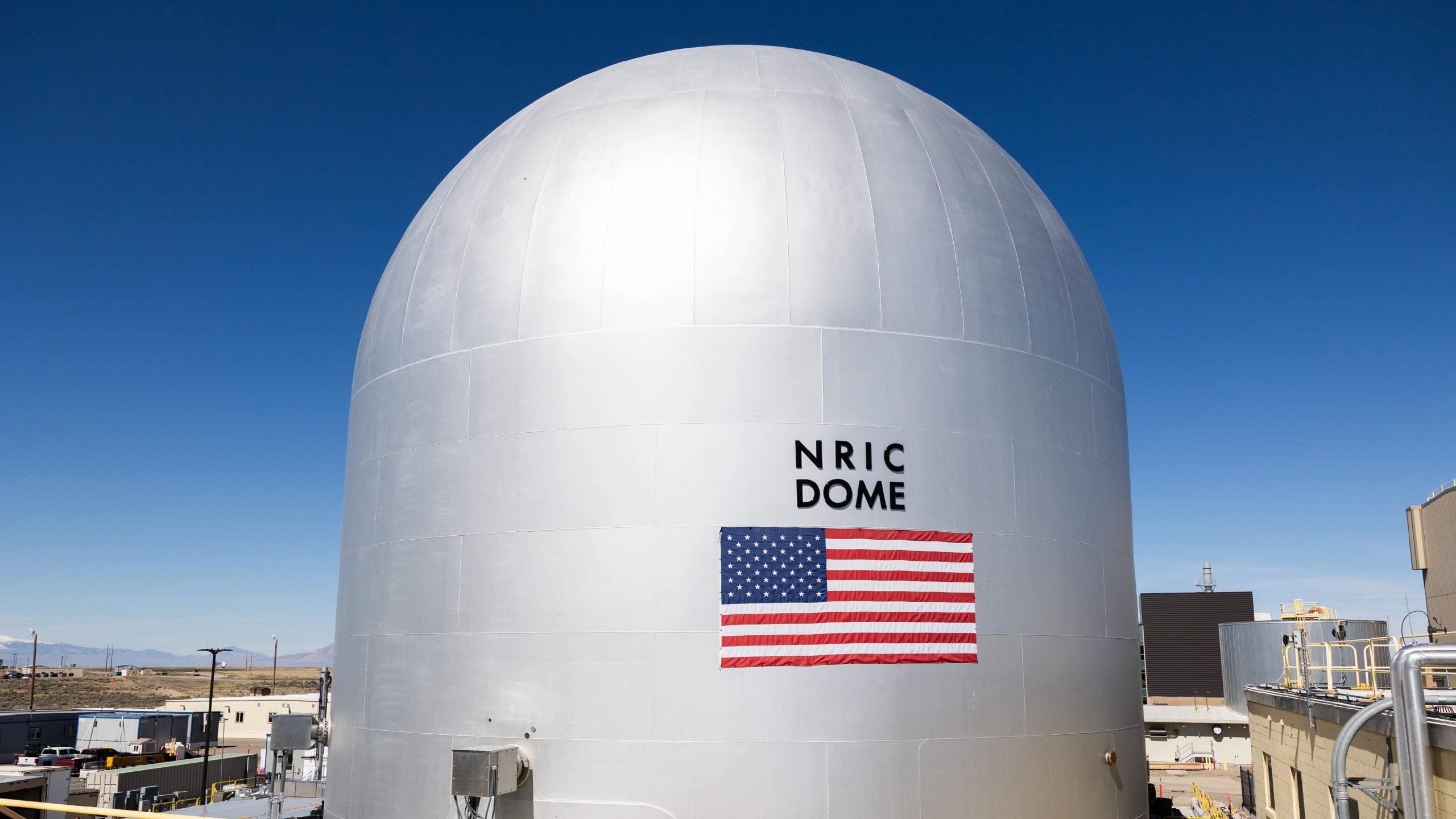
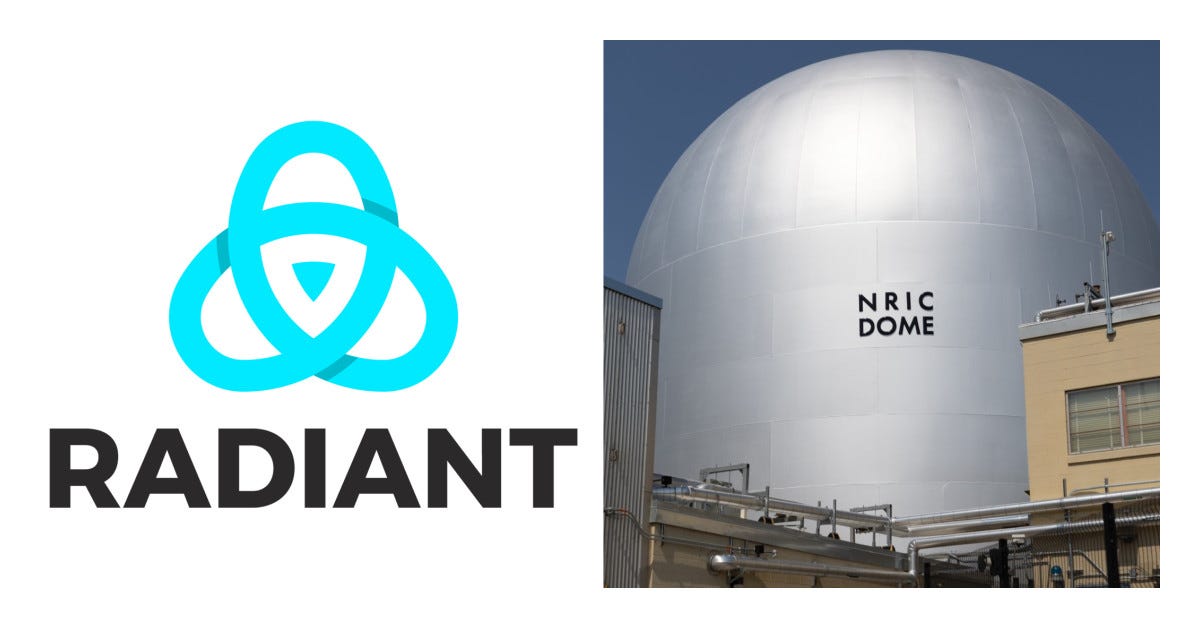
The National Reactor Innovation Centre [NRIC] DOME facility at
Idaho National Laboratory — where Deployable Energy tested the
Unity Nuclear Battery under strict DOE oversight.
3. National Security Imperative Designation
In a game-changing development, the U.S. government recently declared small microreactors a “national security imperative,” ensuring:
100% bipartisan support.
Accelerated regulatory pathways.
Priority status for deployment.
Recognition that these technologies are essential to maintaining America’s position as “the beacon on the hill” and “arsenal of democracy.”
Understanding Criticality
What Does “Achieving Criticality” Mean?
Criticality represents the moment when a nuclear reaction becomes self-sustaining —the point where neutron production from fission equals neutron loss.
This milestone transforms a reactor from theoretical design to operational reality.
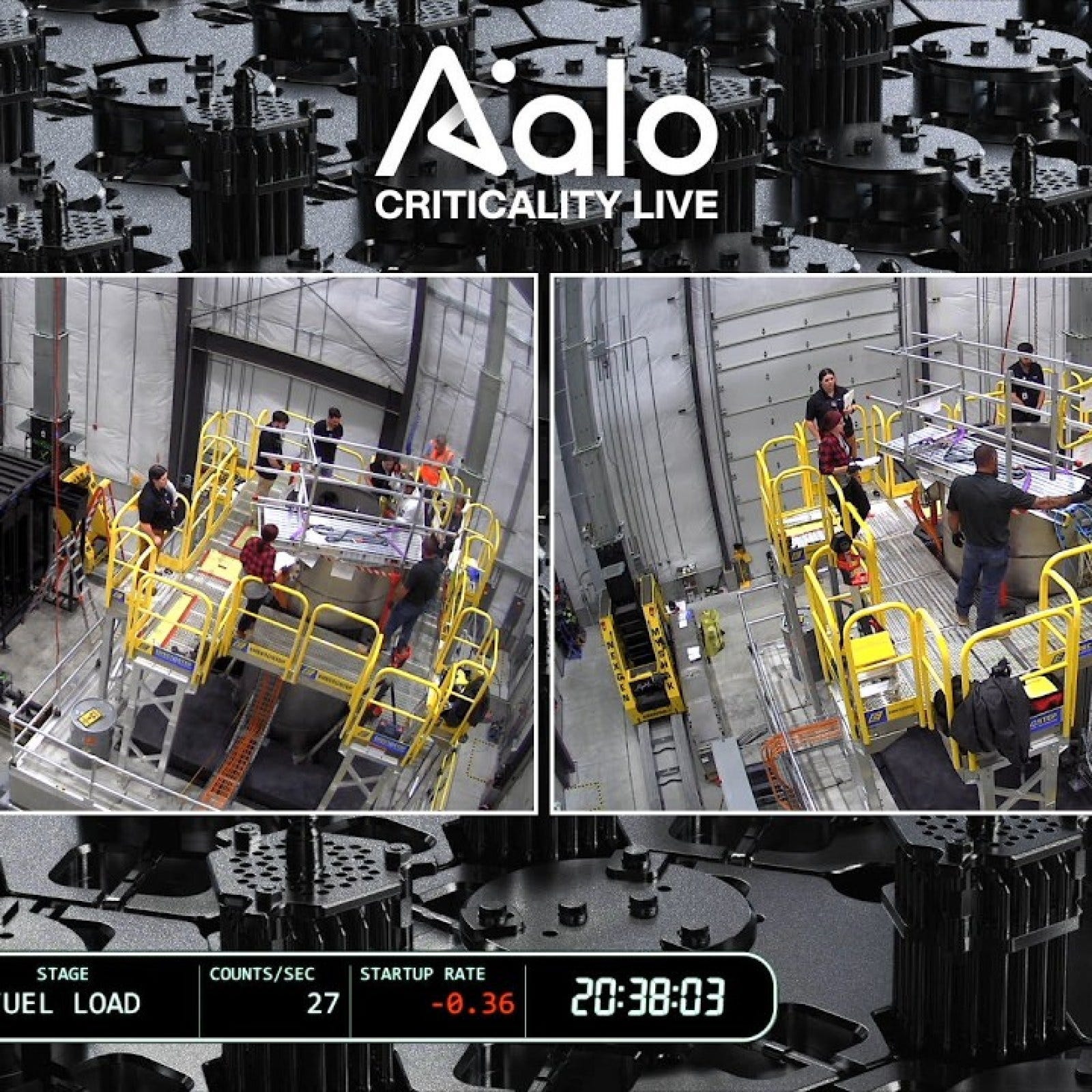
Real-time criticality monitoring displays showing neutron counts and
startup rates during testing within the NRIC DOME facility.
The Criticality Timeline:
January 26, 2026: DOE contract signed.
May 2026: Initial target - delayed by supply chain issues.
30 June, 2026: ✅ CRITICALITY ACHIEVED
Timeline: 5 months from contract to criticality — fastest in history.
Technical Specifications & Performance
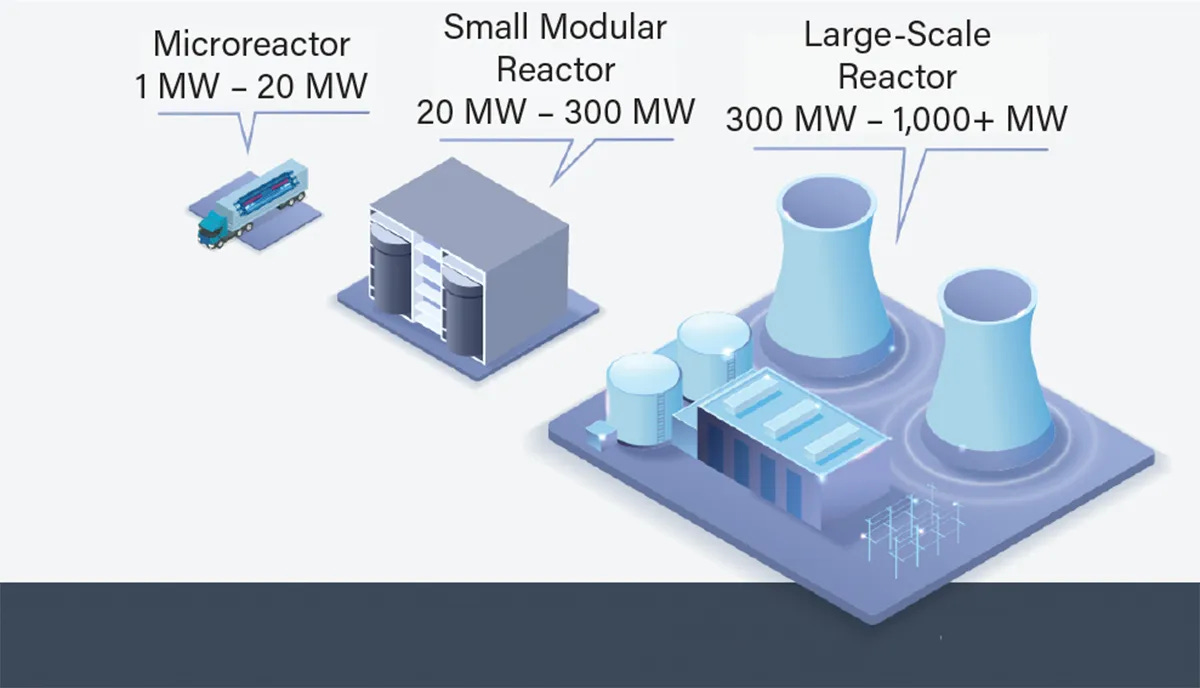
Microreactors [1-20 MW] like the Unity Nuclear Battery offer deployable power solutions compared to traditional large-scale reactors [300-1,000+ MW].
Scalability
The Unity Nuclear Battery can be connected together, enabling scaling up options;
Megawatts → Single unit deployment.
Gigawatts → Multiple units for industrial-scale power.
Revolutionary Costings Structure
Economic Transformation
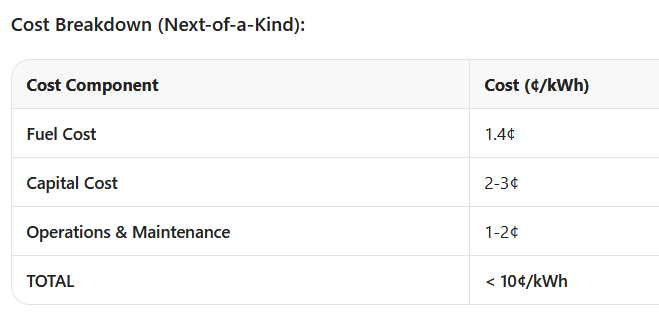
Note: These are estimated costings — yet to be confirmed after full deployment.
Comparative Advantage:
1.4 cents/kWh fuel cost is transformative for baseload power.
Total delivered cost is competitive with all major energy sources.
Zero carbon emissions included in pricing.
Economic analysis frameworks show nuclear power’s
competitive advantage in lifecycle cost modeling.
Waste Management & Sustainability
The “Propane Tank” Model
Unlike traditional nuclear reactors requiring on-site fuel handling and storage, the Unity Nuclear Battery operates on a revolutionary swap-and-go model:
Traditional Reactor:
On-site fuel handling;
❌ On-site temporary storage
❌ Complex waste management
Unity Nuclear Battery;
✅ Delivered like a propane tank.
✅ 5-year operational life.
✅ Swapped out when depleted.
✅ Returned to centralized facility.
Waste Reduction Through Reprocessing
The Numbers;
📊 96-97% of spent fuel can be recycled and reprocessed.
📊 3-4% represents actual waste requiring permanent disposal.
Final waste volume:
Smaller than a golf ball for one person's entire lifetime energy needs.
Centralized waste management facilities ensure
strict compliance with U.S. nuclear waste handling regulations
Regulatory Compliance:
All waste managed per strict U.S. nuclear regulations.
Temporary storage at certified facilities.
Permanent repository sites under development — 5 sites identified.
Reprocessing ban lifted — enabling fuel recycling.
Applications — Vertical Integration
Three Primary Deployment Areas
1. Maritime Operations 🚢
First private maritime reactor since 1958
Revolutionary shipping applications
Port and offshore operations
2. Remote & Industrial Sites 🏭
Mining operations
Remote communities
Data centers
3. Grid-Scale Power ⚡
Scalable from MW up to GW and at increments/stages in between.
Baseload renewable integration.
Grid stability.
🇦🇺 The Australian Connection
Australian Innovation, American Deployment 🇺🇸
Deployable Energy represents a remarkable trans-Pacific success story;
🇦🇺 Australian-developed technology.
🇺🇸 U.S. commercial deployment.
🌏 Global scalability potential.
The team’s achievement demonstrates;
Australian engineering excellence - led by a Veteran ADF Combat Engineer.
Successful international technology transfer — a win-win symbiosis.
Alignment with U.S. strategic energy goals.
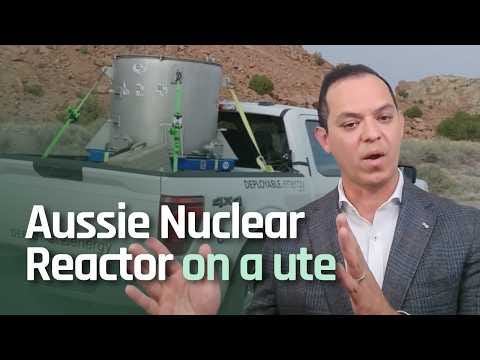
Australian engineers developed the Unity Nuclear Battery for
U.S. deployment, marking a significant trans-Pacific technology achievement.
Video link - interview by Will Shackel with Bobby Gallagher, CEO - Deployable Energy.
▓ Osprey has a background in radiation physics & comprehends the Risks of Nuclear Accidents — never-the-less — this INTREP needs to be put into the Public Domain. ▓